For many small business owners, competing with larger companies can feel almost impossible.
Large companies often have bigger marketing budgets, larger teams, dedicated departments, advanced technology, and years of brand recognition. They can invest heavily in advertising, customer support, infrastructure, and innovation.
Meanwhile, small business owners are often doing everything themselves.
In a single day, they might respond to customer inquiries, monitor inventory, approve payments, manage employees, handle marketing activities, solve operational issues, and still try to find time to think about growing the business.
Because of this, many entrepreneurs assume they can never compete with larger organizations.
But the business landscape has changed dramatically.
Today, success is not always determined by who has the most employees, the biggest office, or the highest budget.
In many cases, success belongs to businesses that can move faster, adapt quickly, and provide better customer experiences.
Technology is helping small businesses do exactly that.
Technology Has Changed the Rules of Competition

A few decades ago, large companies had a clear advantage.
They had access to expensive software, advanced systems, specialized employees, and resources that smaller businesses simply couldn't afford.
If a business wanted a professional website, custom software, inventory management tools, or customer relationship systems, it often required substantial investment.
Today, things are different.
Technology has become more accessible than ever before.
Cloud computing, business management platforms, automation tools, online payment systems, artificial intelligence, and digital marketing solutions have significantly lowered the barriers to entry.
This means a small business with ten employees can now access many of the same tools used by multinational companies.
Imagine a local clothing brand.
Years ago, customers would naturally prefer large retailers because they offered online shopping, delivery tracking, customer accounts, and digital payments.
Today, a small clothing business can offer these exact same conveniences.
Customers can browse products online, place orders instantly, receive notifications, track deliveries, and communicate directly with the business.
The customer doesn't necessarily see the size of the company.
They see the quality of the experience.
And technology allows smaller businesses to create experiences that rival much larger competitors.
Small Businesses Have an Advantage That Large Companies Don't

When people think about competition, they usually focus on what small businesses lack.
They have fewer employees.
Smaller budgets.
Limited resources.
Less brand recognition.
But there is another side to the story.
Small businesses often possess something that large companies struggle with.
Flexibility.
Large organizations usually have multiple levels of management.
Decisions require approval.
Processes take time.
Changes can be slow.
A small business owner, however, can make decisions almost instantly.
Imagine a local café noticing that customers increasingly prefer online ordering.
A small business owner might introduce an ordering system within a few weeks.
A larger organization may spend months discussing budgets, approvals, technical requirements, and implementation plans.
By the time they act, the small business may already have built stronger customer relationships.
Technology strengthens this advantage.
Digital tools allow businesses to respond quickly to customer needs, market trends, and new opportunities.
Being fast often matters more than being big.
Automation Helps Small Businesses Achieve More
One of the biggest advantages large companies traditionally had was manpower.
More employees meant more tasks could be completed simultaneously.
Today, automation is changing reality.
Imagine a small restaurant owner.
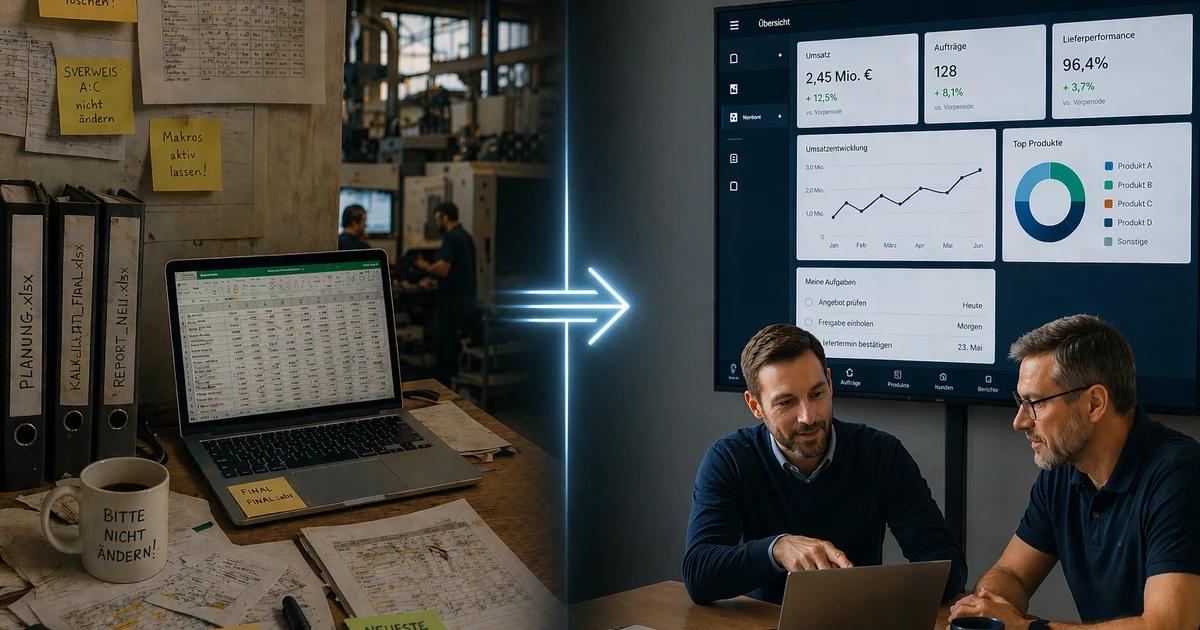
Reservations are recorded manually.
Inventory is maintained in spreadsheets.
Orders arrive through phone calls, social media messages, and delivery applications.
At first, everything feels manageable.
But as customer demand increases, employees become overwhelmed.
Orders are delayed.
Inventory isn't updated.
Managers spend hours preparing reports.
Now imagine the same restaurant using software.
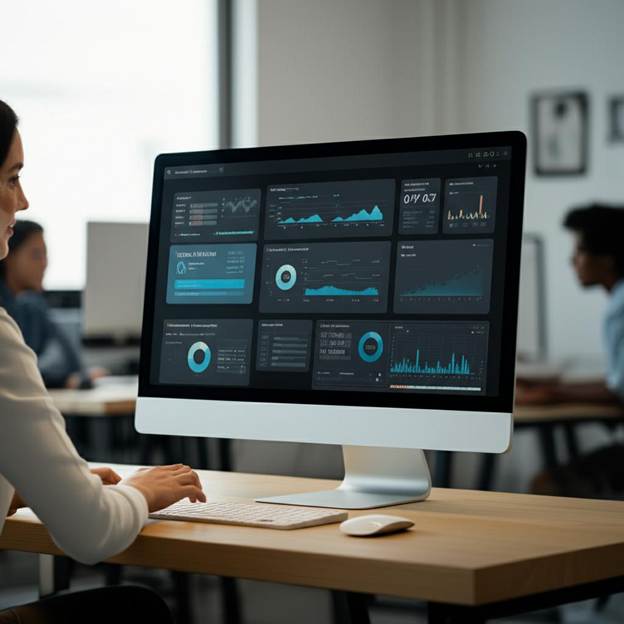
Orders automatically appear in a centralized dashboard.
Inventory updates immediately whenever a dish is sold.
Reports become available in real time.
Reservation confirmations are sent automatically.
Employees no longer spend hours organizing information.
Instead, they focus on serving customers.
The business becomes more efficient without necessarily increasing staff.
Technology allows small businesses to operate like much larger companies while maintaining lean teams.
Customers Care More About Experiences Than Company Size
Many business owners assume customers choose the biggest company.
That isn't always true.
Customers choose businesses that make their lives easier.
Think about ordering food.
If a small local restaurant provides online ordering, instant confirmations, delivery updates, digital payments, and responsive customer service, customers may prefer it over a larger restaurant chain that still relies heavily on manual processes.
The same principle applies to retail businesses.
Imagine two furniture stores.
Both sell similar products.
Both have comparable prices.
One store responds to inquiries within minutes, offers online consultations, provides order updates, and remembers customer preferences.
The other takes days to reply and still depends entirely on phone calls.
Which business would customers trust more?
Most people are willing to support smaller businesses if they receive better service.
Technology enables businesses to deliver those experiences consistently.
Customer relationship management systems help businesses understand customer preferences.
Automation tools ensure customers receive timely updates.
Online booking systems make appointments easier.
Digital communication tools improve responsiveness.
These experiences build loyalty.
And loyal customers are often more valuable than expensive advertising campaigns.
Data Gives Small Businesses a Competitive Edge

Large corporations have relied on data for decades.
Small businesses have often depended on instinct.
Experience is important.
But data provides clarity.
Imagine owning a bakery.
Sales seem inconsistent.
Some weeks are extremely busy.
Others feel quiet.
Without proper systems, it's difficult to understand why.
Which products are generating the highest profits?
What time do most customers place orders?
Which products sell best during weekends?
Which items should be promoted more aggressively?
Without data, these questions are difficult to answer.
Business software provides insights instantly.
Owners can identify trends, understand customer behavior, monitor sales performance, and make informed decisions.
Instead of relying solely on assumptions, they can rely on evidence.
And businesses that make better decisions usually grow faster.
Digital Marketing Has Leveled the Playing Field

Years ago, marketing heavily favored large companies.
Television advertisements were expensive.
Billboards required significant budgets.
Print media was costly.
Small businesses struggled to gain visibility.
Today, the internet has changed everything.
A small company can create a website, publish informative content, optimize for search engines, build a social media presence, and reach thousands of potential customers online.
Imagine a local travel agency.
Instead of relying solely on walk-in visitors, it can attract customers through blogs, social media content, online advertising, and search engine optimization.
A restaurant can showcase dishes on Instagram.
A school can provide information through a website.
A furniture business can reach customers beyond its city.
Technology allows businesses to compete through creativity rather than budget alone.
Sometimes, the most successful marketing campaigns come from businesses that understand their customers better, not necessarily those spending the most money.
Small Businesses Can Build Stronger Relationships

Ironically, being small can actually become a competitive advantage.
Large companies often struggle to create personalized experiences.
Customers may feel like just another number.
Small businesses, however, can build meaningful relationships.
Technology enhances this strength.
Imagine a customer purchasing from a local business.
The business remembers previous purchases.
Sends personalized recommendations.
Offers birthday discounts.
Provides quick support.
Follows up after the purchase.
Customers appreciate these gestures.
They feel valued.
They become repeat buyers.
Over time, strong relationships turn customers into advocates who recommend the business to friends and family.
Technology helps businesses scale personalization without losing authenticity.
Technology Is No Longer Optional

A few years ago, technology was often viewed as an additional investment.
Today, it has become an essential part of business growth.
Customers expect online experiences.
Employees expect efficient systems.
Managers need access to real-time information.
Businesses need better decision-making tools.
Companies that continue relying entirely on manual processes may find it increasingly difficult to compete.
Meanwhile, businesses that embrace digital transformation position themselves for long-term success.
Technology is not replacing people.
It is helping people work smarter.
It is helping businesses become more productive.
It is allowing smaller companies to compete in ways that were once impossible.
How Lacspace Helps Small Businesses Grow
At Lacspace, we believe small businesses should have access to the same opportunities as larger organizations.
Growth shouldn't depend solely on size.
It should depend on efficiency, innovation, and the ability to adapt.
Whether it's business management software, ERP systems, restaurant platforms, school management solutions, automation tools, websites, or custom applications, our goal is simple.
To help businesses spend less time dealing with operational challenges and more time focusing on growth.
Technology should not create complexity.
It should remove it.
Because in today's digital world, the companies that succeed are not always the largest.
They are often the ones that learn faster, innovate continuously, and use technology more effectively.
Frequently Asked Questions
Can small businesses really compete with large companies?
Absolutely. Technology allows small businesses to automate operations, improve customer experiences, reduce costs, and operate more efficiently, making them highly competitive.
What technologies are most useful for small businesses?
Business management software, customer relationship management systems, automation tools, inventory management systems, analytics platforms, and digital marketing technologies are among the most valuable.
Why is automation important?
Automation saves time, reduces repetitive work, minimizes errors, and enables employees to focus on activities that directly contribute to growth.
Does technology require a huge investment?
Not necessarily. Many modern software solutions are affordable and scalable, allowing businesses to adopt technology according to their needs and budgets.
How can Lacspace help businesses?
Lacspace provides software solutions, automation tools, ERP platforms, digital transformation services, websites, and custom applications designed to help businesses operate smarter and grow faster.
Conclusion
Competing with large companies may still seem intimidating.
But technology has changed what competition looks like.
Businesses no longer need massive budgets, hundreds of employees, or large infrastructures to succeed.
They need efficiency.
They need adaptability.
They need better customer experiences.
And they need systems that support growth.
Technology gives small businesses the opportunity to compete based on innovation, speed, service, and intelligence rather than size alone.
The future doesn't necessarily belong to the biggest companies.
It belongs to the businesses that are willing to evolve, embrace change, and use technology to unlock their full potential.
Frequently asked questions
How does technology help small businesses compete with large companies?
Cloud computing, business management platforms, automation tools, online payments, artificial intelligence and digital marketing have lowered the barriers to entry, so a small business with ten employees can access many of the same tools used by multinational companies.
What advantage do small businesses have over large companies?
Flexibility. Large organizations have multiple levels of management and slow approvals, while a small business owner can decide almost instantly, for example introducing an online ordering system within weeks while a larger company spends months planning.
Does company size matter to customers?
Often not. The customer does not necessarily see the size of the company; they see the quality of the experience. Technology lets small businesses offer online ordering, notifications, delivery tracking and direct communication that rival larger competitors.