There was a time when businesses could grow successfully without ever thinking about having a website. Customers discovered companies through newspapers, recommendations from friends, printed brochures, local directories, and physical storefronts. If someone wanted to know more about a business, they simply visited the office, made a phone call, or asked someone who had already used its services.
Today, that reality has changed significantly. People now search online before making almost any purchasing decision. Whether someone wants to order food, choose a school, book a travel package, buy furniture, or hire a service provider, their journey usually begins with a Google search. In many cases, customers form an opinion about a business long before they speak with an employee, visit a store, or make an inquiry. That opinion is often shaped by the company's website.
Customers Search Online Before They Buy
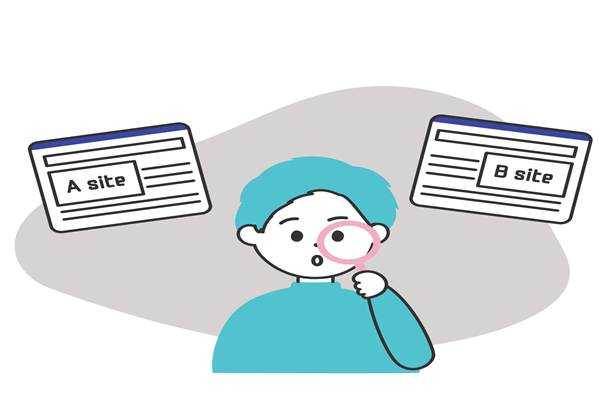
Consumer behavior has evolved dramatically over the past decade. People no longer depend entirely on referrals or traditional advertisements when choosing products and services. Instead, they prefer researching businesses online before making decisions. They compare options, read reviews, explore services, and try to understand whether a company appears trustworthy and professional.
Imagine hearing about a new restaurant in your city. The first thing most people do is search online. They want to browse the menu, look at photographs, check reviews, and find information about reservations or delivery. Now imagine discovering that the restaurant has no website and only has a social media page with a few outdated posts. Many customers may begin questioning whether the business is still operating or whether it provides the experience they are looking for.
On the other hand, a restaurant with a professional website immediately creates confidence. Visitors can browse menus, explore images, make reservations, and learn more about the business without needing to contact anyone. Even before stepping inside the restaurant, customers already feel more comfortable choosing it. The same principle applies to almost every industry, from education and healthcare to retail, logistics, hospitality, and technology.
A Website Builds Trust and Credibility
 Trust
plays a major role in customer decision-making. People naturally prefer
businesses that appear organized, transparent, and established. A professional
website helps create that impression and often serves as proof that a company
is serious about what it does.
Trust
plays a major role in customer decision-making. People naturally prefer
businesses that appear organized, transparent, and established. A professional
website helps create that impression and often serves as proof that a company
is serious about what it does.
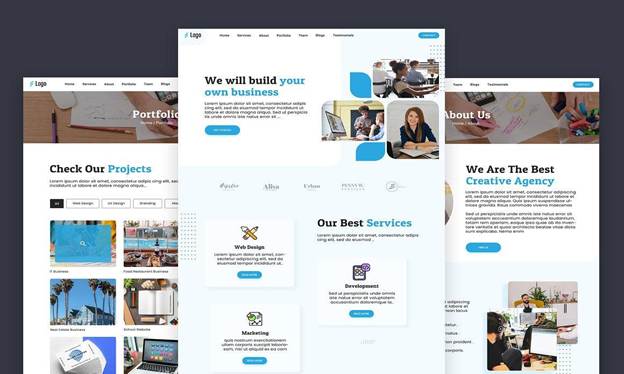
Imagine finding two businesses that offer similar services. One business has a well-designed website that explains its services, introduces its team, showcases previous work, and includes customer testimonials. The other business only has a social media page with a few images and limited information. Most customers will instinctively trust the company that provides a complete and professional online experience.
A website allows businesses to communicate their story, values, experience, and expertise. It helps answer questions customers may have before they even reach out. Instead of wondering whether a business is legitimate, customers can quickly understand who they are dealing with and what they can expect. In today's digital environment, credibility is often built online before relationships are built in person.
Your Business Never Closes

One of the biggest advantages of having a website is that it remains available twenty-four hours a day. Physical stores close, offices shut down, and employees go home, but websites continue working. Customers can explore information whenever they want, regardless of the time or location.
Consider a furniture business. A customer searching for a dining table at eleven o'clock at night may not be able to visit a showroom, but they can browse products online, compare styles, review specifications, and even submit an inquiry. Without a website, that opportunity might be lost entirely. The customer could simply move on to another company that provides information more conveniently.
A website acts as a digital representative for the business. It answers questions, introduces products, shares information, and creates opportunities around the clock. In many ways, it becomes one of the hardest-working assets a company can own because it never stops helping customers discover the business.
Social Media Is Important, But It Isn't Enough
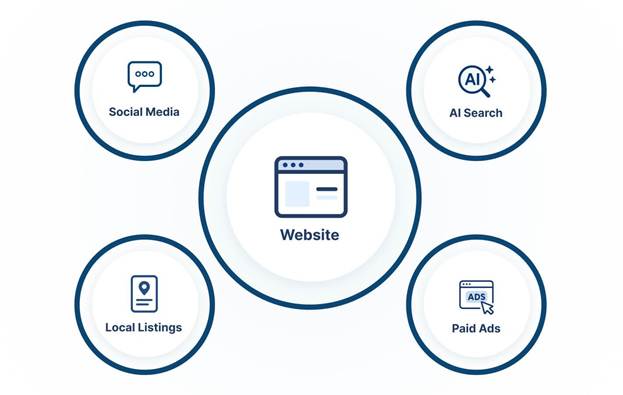
Many businesses believe that social media alone is sufficient for building an online presence. While platforms like Facebook and Instagram are excellent tools for engagement and promotion, they should not replace a professional website.
Social media platforms are spaces that businesses use, but they do not control them. Algorithms change regularly, organic reach fluctuates, and visibility can decrease unexpectedly. Businesses have limited control over how information is presented and how customers experience their brand.
A website is entirely different. It belongs to the business. It becomes a central hub where customers can find everything they need, including services, products, testimonials, portfolios, contact information, blogs, and frequently asked questions. Social media helps attract attention, but websites help convert that attention into inquiries, leads, and customers.
Imagine someone discovering your business through Instagram. Before contacting you, they are likely to search for your website to learn more about your company. If they find a professional online presence that provides clear information and demonstrates expertise, their confidence in your business increases significantly.
Customers Value Convenience

Modern customers expect convenience in almost every interaction they have with businesses. They want quick access to information, easy communication, and seamless experiences. They do not want to wait hours for responses to simple questions such as pricing, location, operating hours, or available services.
A website helps businesses meet these expectations. Instead of answering the same questions repeatedly, companies can provide customers with immediate access to important information. Visitors can explore products, read service descriptions, request quotations, submit inquiries, or book appointments whenever it suits them.
Imagine a school receiving dozens of calls every day from parents asking about admissions, fees, or facilities. A professional website can answer many of these questions instantly, reducing workload for staff members while improving the experience for prospective parents. The same approach benefits restaurants, clinics, retailers, travel companies, and countless other industries.
Websites Support Marketing and Growth
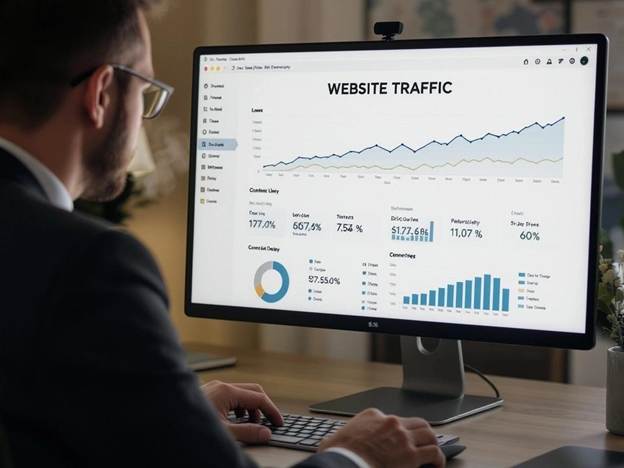
Marketing becomes far more effective when businesses have a professional website. Every advertisement, social media campaign, email newsletter, or promotional activity becomes more valuable because customers have somewhere meaningful to go after discovering the business.
A website also supports long-term visibility through search engines. When businesses publish blogs, optimize pages for keywords, and regularly update content, they increase their chances of appearing in search results. Over time, this can create a steady flow of visitors who are actively looking for products or services.
Unlike advertisements that stop producing results when budgets run out, websites continue generating value. A well-optimized website can attract customers for months or even years after content has been published. This makes websites one of the most powerful long-term investments businesses can make.
How Lacspace Helps Businesses Build Their Digital Presence
At Lacspace, we believe websites should do more than simply look attractive. They should help businesses build trust, improve customer experiences, strengthen branding, and support sustainable growth. A professional website should communicate the right message, create confidence among visitors, and make it easier for customers to connect with a business.
Whether it's a restaurant, school, healthcare provider, travel company, retail store, logistics business, or startup, having a strong online presence is becoming increasingly important. Customers expect businesses to be accessible online, and companies that fail to meet those expectations risk losing opportunities to competitors who do.
Frequently Asked Questions
Why is a website important for businesses?
A website helps businesses build credibility, attract customers, provide information twenty-four hours a day, and support long-term growth through improved visibility and marketing.
Can small businesses benefit from websites?
Absolutely. Websites help small businesses appear more professional, reach larger audiences, and compete more effectively in today's digital marketplace.
Is social media enough?
Social media is valuable for engagement, but businesses do not own those platforms. A website provides complete control over branding, content, and customer experience.
How can Lacspace help?
Lacspace develops professional websites that are modern, responsive, user-friendly, and designed to help businesses establish a strong digital presence and grow more effectively.
Conclusion
Today, customers expect businesses to be online. They expect information to be accessible, experiences to be convenient, and interactions to feel professional. A website helps businesses meet those expectations while creating opportunities to build trust, attract customers, and support long-term growth.
In an increasingly digital world, a professional website is no longer a luxury or an optional investment. It has become an essential part of building a successful and future-ready business.
Frequently asked questions
Why does a business need a website in 2026?
People now search online before almost any purchase, comparing options, reading reviews and exploring services. Customers often form an opinion of a business from its website long before they speak to anyone.
How does a website build trust and credibility?
A professional website explains services, introduces the team, showcases previous work and includes testimonials, answering questions before customers reach out and proving the company is serious about what it does.
Is a social media page enough instead of a website?
A business with only a social media page and a few outdated posts can leave customers questioning whether it is still operating, while a complete website immediately creates confidence.
What is the advantage of a website over a physical store?
A website remains available twenty-four hours a day, so customers can browse, learn about the business and make inquiries even when the office or store is closed.