Businesses today are competing in a market where customers have more choices than ever before. A customer can compare prices, services, reviews, delivery times, and experiences within minutes. Because of this, having a good product or service is no longer always enough. Businesses also need to find better ways to operate, serve customers, respond to changes, and create experiences that competitors cannot easily copy.
This is where technology becomes more than just a tool.
Many businesses use ready-made software to manage different parts of their operations. Accounting software, customer management tools, inventory systems, communication platforms, booking software, and other solutions can make everyday work easier. But as a business grows, it may discover that these tools don't always fit the way it actually operates. Employees may have to work around limitations, information may be scattered across different systems, and important processes may still need to be handled manually.
Custom software takes a different approach. Instead of changing your business to fit an existing system, the software can be designed around your business, your processes, your customers, and your goals. That difference can become a competitive advantage. Because sometimes, the businesses that grow faster aren't the ones with the most employees or the biggest budgets. They are the ones with better systems that allow them to move faster, work smarter, and serve customers better.
Your Business Has Its Own Way of Working

Every business has its own way of doing things. Even two companies operating in the same industry may have completely different workflows, customer expectations, pricing structures, internal processes, and goals.
Imagine two restaurants that sell similar types of food. One restaurant focuses heavily on online orders and delivery, while the other focuses more on dine-in customers and reservations. They may both need software, but the systems they require will be very different.
A ready-made solution may provide useful features for both businesses, but it may not perfectly match either one. Employees may have to follow a workflow designed for someone else's business. Some features may never be used, while other important requirements may not be available. Custom software changes this relationship.
Instead of asking, "How can our business fit this software?" the business can ask, "How can the software fit our business?" That flexibility can help businesses build processes that match the way they actually work rather than forcing employees to constantly find workarounds.
Custom Software Can Help Your Business Work Faster
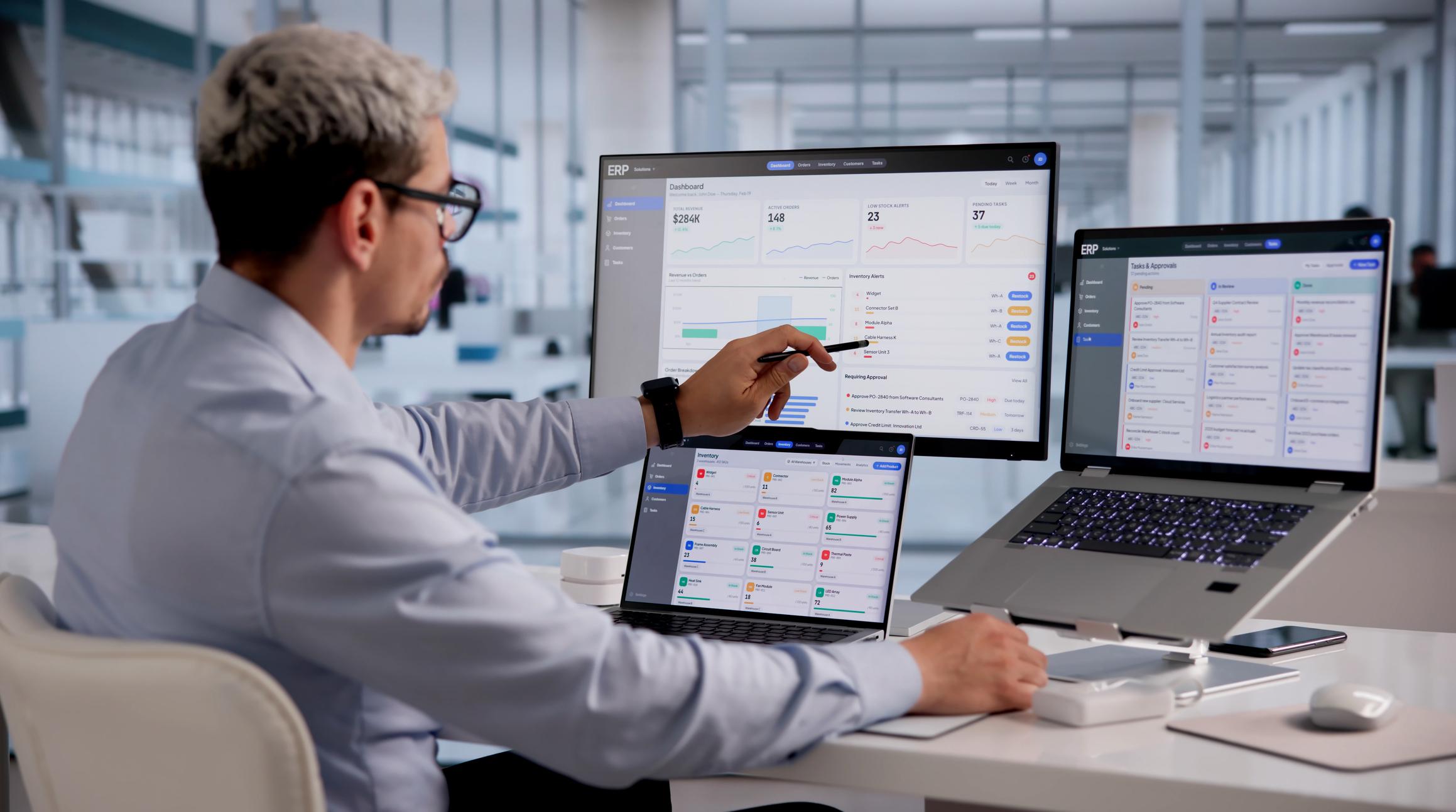
Time is one of the most valuable resources in any business. Every hour employees spend manually entering information, searching through files, transferring data, or repeating the same task is time that could have been spent on more important work.
Imagine a business where an employee receives an order and then has to enter the same information into three different systems. They update the customer record, send the details to another department, and then update an inventory spreadsheet. The process may only take a few minutes per order, but when hundreds of orders come in, those minutes quickly become hours.
A custom system can connect these processes so that information entered once can be used across the relevant parts of the workflow. When an order is placed, the system can update the appropriate records, notify the relevant team, and make the information available where it is needed. The result isn't simply faster software. It is a faster business process.
Better Systems Can Help Reduce Human Error

Manual work doesn't only take time. It also creates opportunities for mistakes. A wrong number in a spreadsheet, an outdated customer record, a missed appointment, a duplicated order, or an incorrect inventory update can create problems that affect both employees and customers.
These mistakes don't necessarily happen because employees are careless. They often happen because people are being asked to perform repetitive tasks across multiple systems. Custom software can help automate parts of these processes and reduce unnecessary manual data entry.
For example, when a customer places an order, the system can automatically record the order details. When inventory changes, the relevant information can be updated according to the system's workflow. When an appointment is booked, the schedule can be updated without requiring someone to manually write it down in several places.
Automation doesn't eliminate the need for people. It simply gives people a system that helps them make fewer avoidable mistakes.
And fewer mistakes can mean fewer complaints, less rework, and a more consistent experience for customers.
Custom Software Can Help You Deliver a Better Customer Experience

Customers may never see the software running behind your business, but they can definitely feel its impact. When a business has well-connected systems, customers may receive faster responses, more accurate information, smoother ordering, easier bookings, quicker support, and more consistent service. Think about a customer trying to book an appointment. If the business uses a manual system, the customer may have to call, wait for confirmation, and possibly go back and forth about available times.
With a well-designed digital system, the customer may be able to see availability, select a service, choose a time, confirm the appointment, and receive a notification within minutes. The service itself may be exactly the same. But the experience is completely different.
In competitive markets, these small improvements can make a significant difference because customers remember how easy or difficult it was to do business with you. A competitor may be selling something similar. But if your business makes the entire experience easier, that can become your advantage.
Custom Software Can Give You More Control Over Your Data
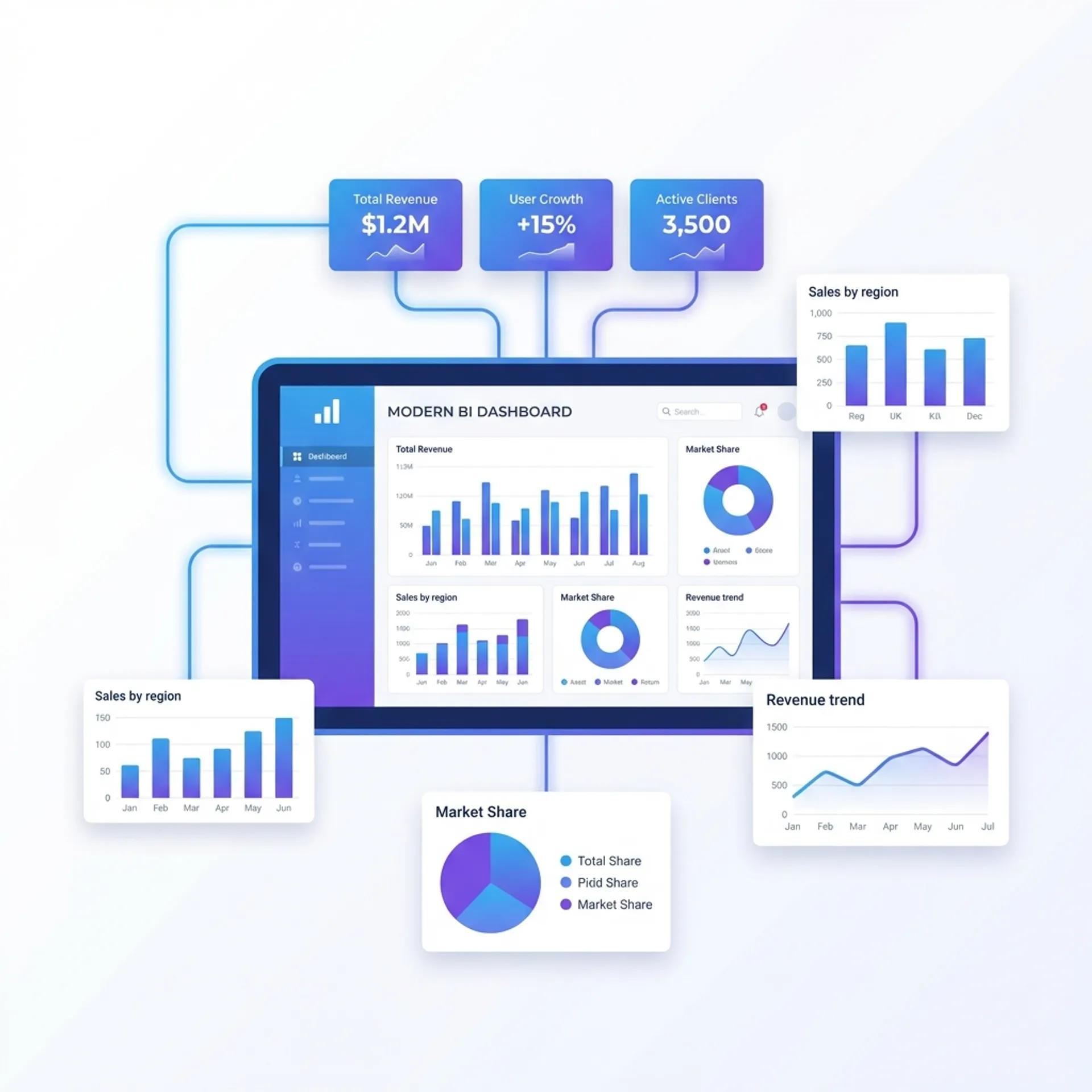
Business decisions are only as good as the information behind them. When information is spread across spreadsheets, separate applications, emails, and different departments, it can be difficult to get a clear picture of what is actually happening. A custom system can bring important business information together in a way that matches the organization's needs.
Imagine a business owner wanting to understand which products are performing best, which customers are returning, where sales are increasing, or where the business is losing time. If the information is scattered across different systems, answering these questions may require hours of manual work.
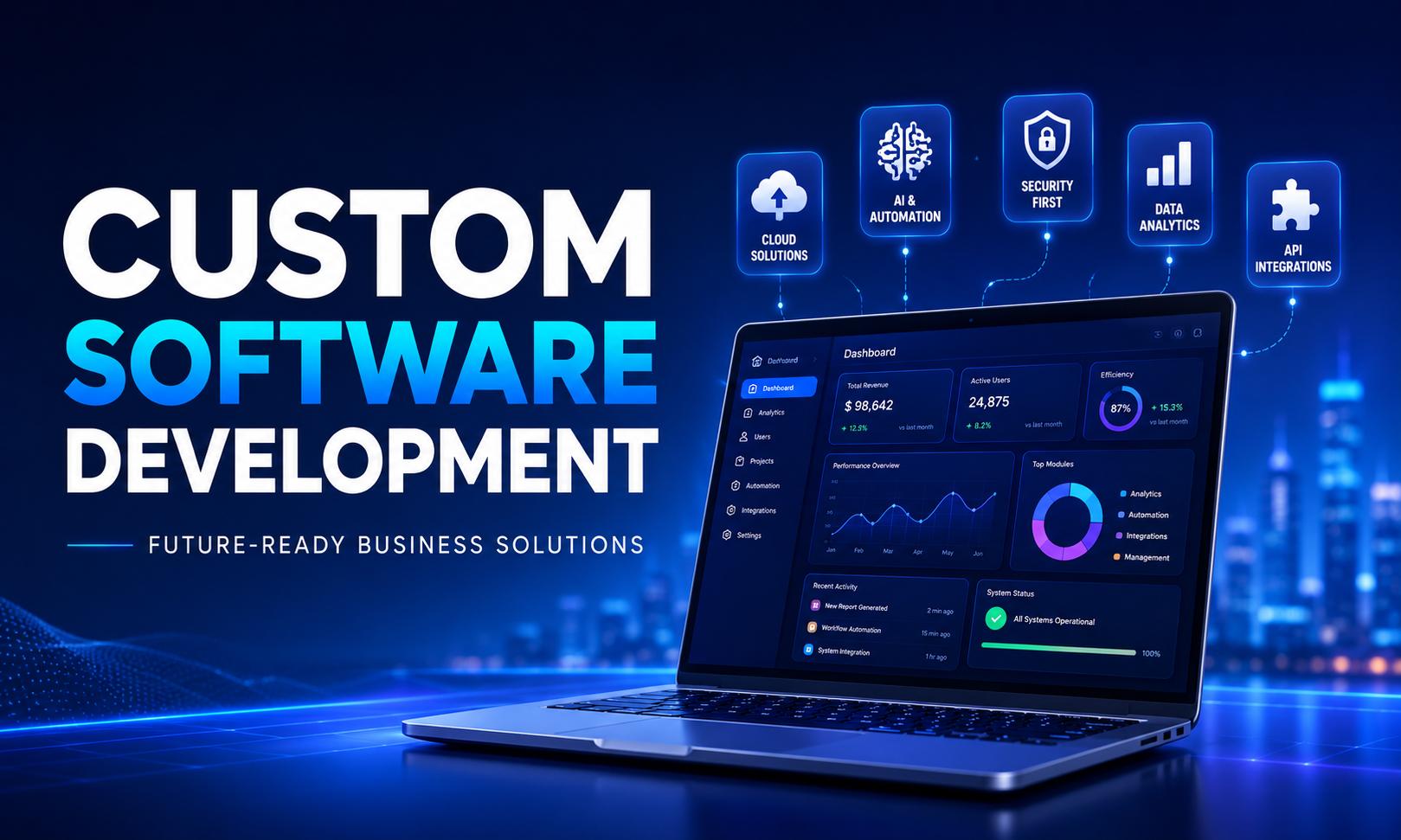
With connected software, relevant information can be organized and presented through dashboards, reports, and other tools. This can help management make decisions based on actual business information rather than assumptions. The competitive advantage comes from being able to understand your business faster and respond faster.
It Can Help Your Business Respond to Change Faster

Markets change quickly. Customer preferences change. New competitors enter the market. Businesses introduce new services. Pricing strategies change. New regulations appear. Technology evolves. A business that takes months to change its internal processes may struggle to keep up with one that can adapt quickly. Custom software can be designed with the business's specific workflows in mind, making it possible to modify or expand the system as requirements change.
For example, a business may initially need customer management and order processing. As it grows, it may want loyalty programs, advanced reporting, mobile applications, automated communication, or integrations with other systems.
If the original system was designed with future growth in mind, these capabilities can potentially be added without completely rebuilding the business's digital foundation. This flexibility can become especially valuable when competitors are moving quickly. Sometimes, competitive advantage isn't about having something nobody else has.
It's about being able to adapt faster than everyone else.
Custom Software Can Help You Create Features Competitors Don't Have
One of the strongest advantages of custom development is the ability to build something specifically for your business. With standard software, many businesses are using the same features and workflows. That means it can be difficult to create a truly differentiated experience using software alone.
Custom software gives businesses more freedom.
A company can create a unique booking process, a specialized customer portal, a personalized ordering experience, a unique loyalty system, or an internal workflow that competitors may not have.
Imagine a business that discovers a particular problem in its industry that other companies haven't solved efficiently. Instead of waiting for a software provider to create a feature, the business can develop a system specifically around that problem.
That technology becomes part of the company's competitive strategy. The software isn't just supporting the business.
It becomes part of what makes the business different.
It Can Reduce Dependence on Multiple Disconnected Tools
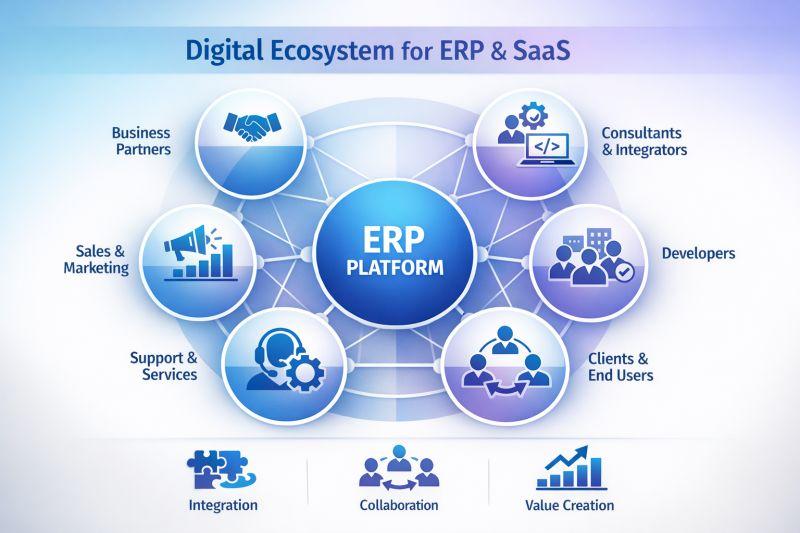
As businesses grow, they often collect software tools one by one. One tool handles customers. Another handles payments. Another manages inventory. Another handles communication. Another manages employees. Another stores information. At first, this may seem perfectly fine.
But eventually, employees may find themselves constantly switching between applications and manually transferring information from one system to another. This creates what can be called a disconnected workflow. Custom software can potentially bring multiple processes into a more unified system or connect existing tools through integrations.
Instead of employees constantly asking where information is stored, the business can create a more connected environment. The benefit isn't only convenience. When systems communicate properly, employees can spend less time managing software and more time managing the actual business.
Custom Software Can Scale With Your Business
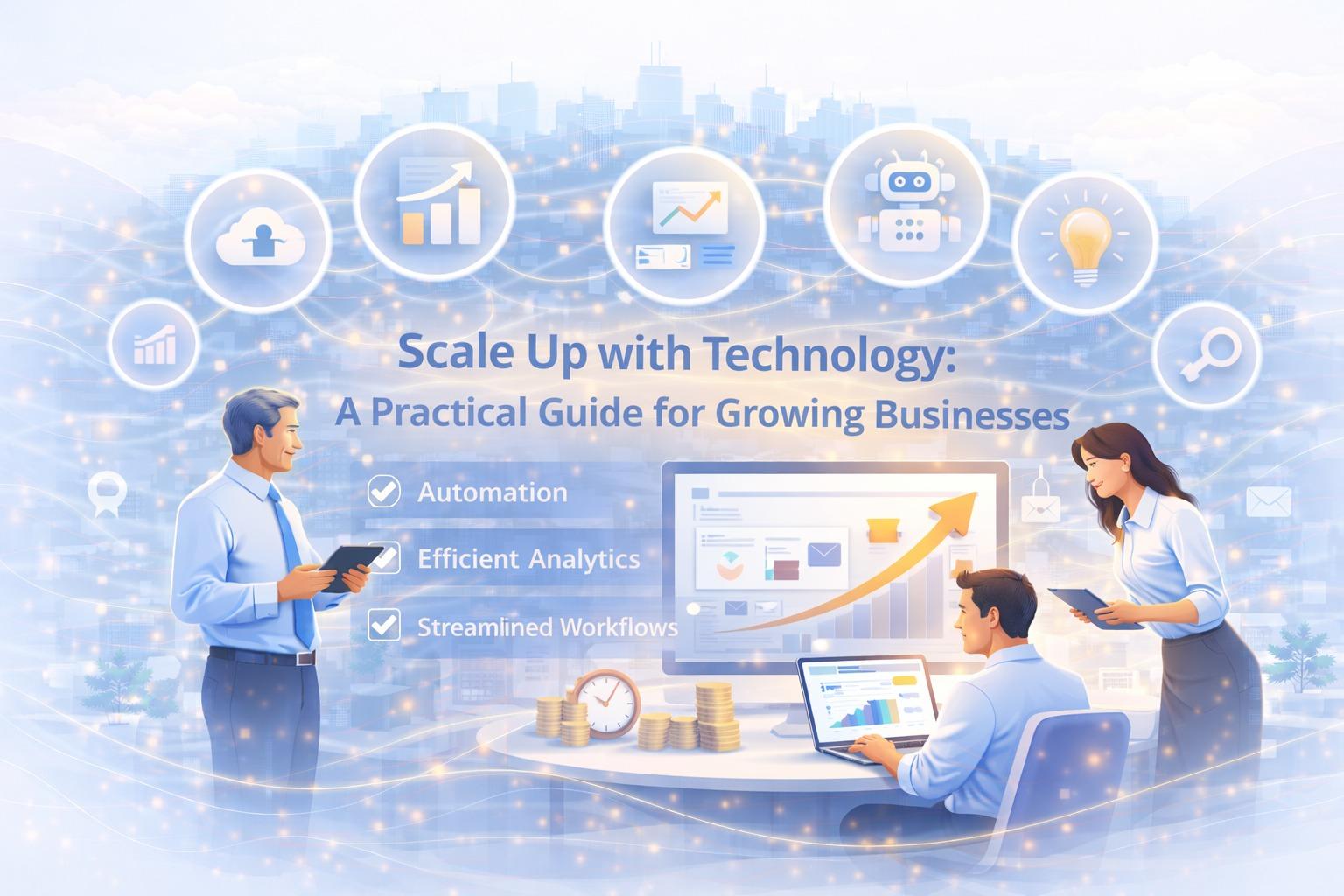
A system that works for a small business may not work the same way once the business becomes much larger. More customers mean more data. More employees mean more users. More products mean more information. More locations mean more complicated management. If the software cannot grow with the business, technology can eventually become a limitation instead of an advantage.
Custom software can be designed with the company's growth in mind. The system can be structured around expected users, workflows, integrations, and future requirements. This doesn't mean every business needs to build a massive system from the beginning. The smarter approach is to build according to current needs while considering where the business is heading.
A good technology foundation should support growth rather than constantly force the business to start over.
Custom Software Is Not About Having More Features

It's easy to think that custom software means adding as many features as possible. But more features don't automatically create a better system. In fact, unnecessary features can make software harder to use, harder to maintain, and more expensive to develop.
The real advantage of custom software comes from building the right features.
If employees spend most of their time managing bookings, the system should make bookings easier. If customers struggle with ordering, the system should simplify ordering. If management can't see important business information, the system should make that information easier to understand.
The best software isn't necessarily the software with the longest feature list. It is the software that solves the most important problems. That's what makes customization valuable.
When Should a Business Consider Custom Software?
A business doesn't necessarily need custom software from day one. For many companies, ready-made tools can be an excellent starting point.
Custom development becomes more valuable when existing software starts creating limitations. If employees are constantly creating workarounds, information is scattered across different platforms, manual processes are consuming too much time, or the business has unique requirements that existing tools cannot handle properly, it may be time to consider a custom solution.
Another important sign is when technology itself is preventing growth.
If you want to introduce a new service but your existing system can't support it, or you want to automate a process but your current software doesn't allow it, the technology may have become a bottleneck.
At that point, investing in a system designed around your business can become an investment in growth rather than simply an IT expense.
How Lacspace Helps Businesses Build Custom Software
At Lacspace, we believe technology should solve real business problems. Instead of building software simply because a business wants "something digital," the focus should be on understanding how the business works, where it faces challenges, and what it wants to achieve.
A custom solution can be designed around different requirements, whether a business needs customer management, inventory management, online ordering, booking systems, dashboards, automation, internal management tools, mobile applications, or a completely customized platform.
The purpose is to create technology that works with the business instead of creating another process employees have to work around. Because software shouldn't just make your business look more modern.
It should help your business become more capable.
Frequently Asked Questions
What is custom software?
Custom software is software developed specifically for the requirements of a particular business or organization. Instead of using a standard system with fixed functionality, the software is designed around the company's processes, users, customers, and goals.
How can custom software create a competitive advantage?
Custom software can help businesses improve efficiency, automate repetitive work, create unique customer experiences, connect business processes, access useful information, and respond to changing requirements more quickly.
Is custom software better than ready-made software?
Not always. Ready-made software can be a great choice when its features match the business's requirements. Custom software becomes more valuable when a business has unique needs or when existing solutions create significant limitations.
Is custom software expensive?
The cost depends on the size, complexity, features, integrations, and development requirements of the project. The important consideration is whether the software creates enough business value to justify the investment.
Can custom software grow with my business?
Yes. Custom software can be designed with scalability and future requirements in mind, allowing businesses to add functionality and adapt the system as their needs change.
Conclusion
In a competitive market, businesses are constantly looking for ways to become faster, more efficient, and more valuable to their customers. While marketing, pricing, products, and customer service all matter, the systems operating behind the business can have an equally important impact.
Custom software gives businesses the opportunity to build those systems around their actual needs.
It can reduce repetitive work, connect information, improve customer experiences, support automation, provide better visibility, and give businesses the flexibility to create processes that competitors may not have.
But the biggest advantage isn't simply owning custom software.
The real advantage comes from what that software allows your business to do.
When your systems work better, your employees can work better. When your employees work better, customers can have better experiences. And when your business can deliver better experiences while adapting quickly, it becomes much easier to stand out in a crowded market.
Technology doesn't automatically create a competitive advantage.
The right technology, built around the right business, can.
Frequently asked questions
How is custom software different from ready-made software?
Instead of changing your business to fit an existing system, custom software is designed around your business, processes, customers and goals. The question becomes how the software can fit the business, not the other way round.
Why can ready-made tools hold a growing business back?
As a business grows, ready-made tools may not fit how it operates. Employees work around limitations, information gets scattered across systems, and important processes may still be handled manually.
How does custom software help a business work faster?
A custom system can connect processes so information entered once is used across the workflow, for example updating records and notifying the relevant team when an order is placed, instead of re-entering it in several systems.
Why do two similar businesses need different software?
Even businesses in the same industry work differently. A restaurant focused on online orders and delivery needs a different system from one focused on dine-in customers and reservations.