
Why Quality Assurance (QA) Is Essential Before Publishing Any Platform
In today’s fast-paced digital world, launching a platform quickly is important — but launching it correctly is critical. This is where Quality Assurance (QA) plays a decisive role.
QA ensures that a product is stable, secure, usable, and reliable before it becomes publicly available. At Lacspace, QA is not an afterthought — it is a core part of the product lifecycle.
What Is Quality Assurance (QA)?
Quality Assurance is the systematic process of verifying that a software product meets defined quality standards before release. It focuses on identifying bugs, performance issues, security gaps, and usability problems before users encounter them.
QA is not only about finding bugs — it is about ensuring trust, consistency, and long-term platform success.
Why QA Is Critical Before Any Public Launch
1. Prevents User-Facing Bugs
Uncaught bugs lead to crashes, broken features, and poor user experience. QA identifies these issues early, preventing public frustration and negative feedback.
2. Protects Brand Reputation
A single faulty release can damage trust permanently. QA ensures that users experience reliability from day one.
3. Ensures Platform Security
Security vulnerabilities are among the most dangerous issues in any platform. QA testing identifies weak points that could expose user data or system access.
4. Improves Performance & Stability
QA validates performance under real-world conditions such as high traffic, slow networks, and multiple device types.
5. Reduces Long-Term Costs
Fixing issues after launch is significantly more expensive than resolving them during QA. A strong QA process saves time, money, and resources.
Types of QA Testing Used in Modern Platforms
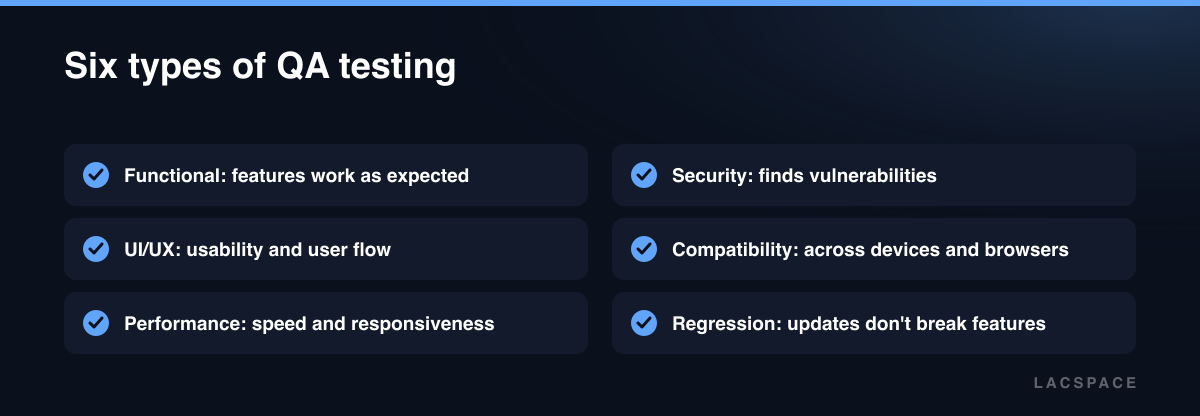
- Functional Testing – Ensures features work as expected
- UI/UX Testing – Validates usability and user flow
- Performance Testing – Checks speed and responsiveness
- Security Testing – Identifies vulnerabilities
- Compatibility Testing – Tests across devices and browsers
- Regression Testing – Ensures new updates don’t break existing features
How Lacspace Performs QA for Every Product
At Lacspace, QA is integrated into every development phase — from the first line of code to final deployment.
Step 1: Requirement-Based Testing
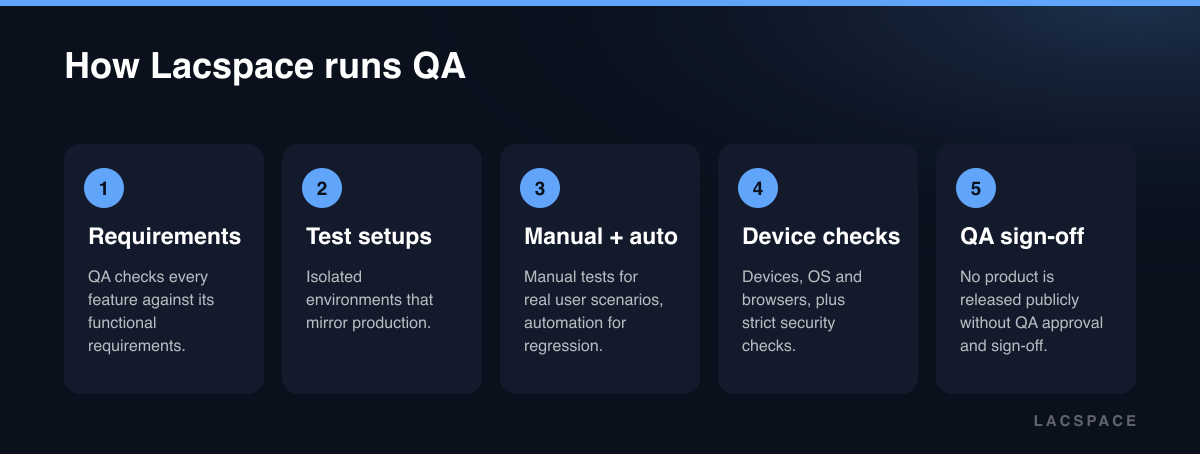
QA teams analyze requirements and ensure every feature aligns with functional expectations.
Step 2: Dedicated QA Environments
Testing is conducted in isolated environments that mirror real production conditions.
Step 3: Manual & Automated Testing
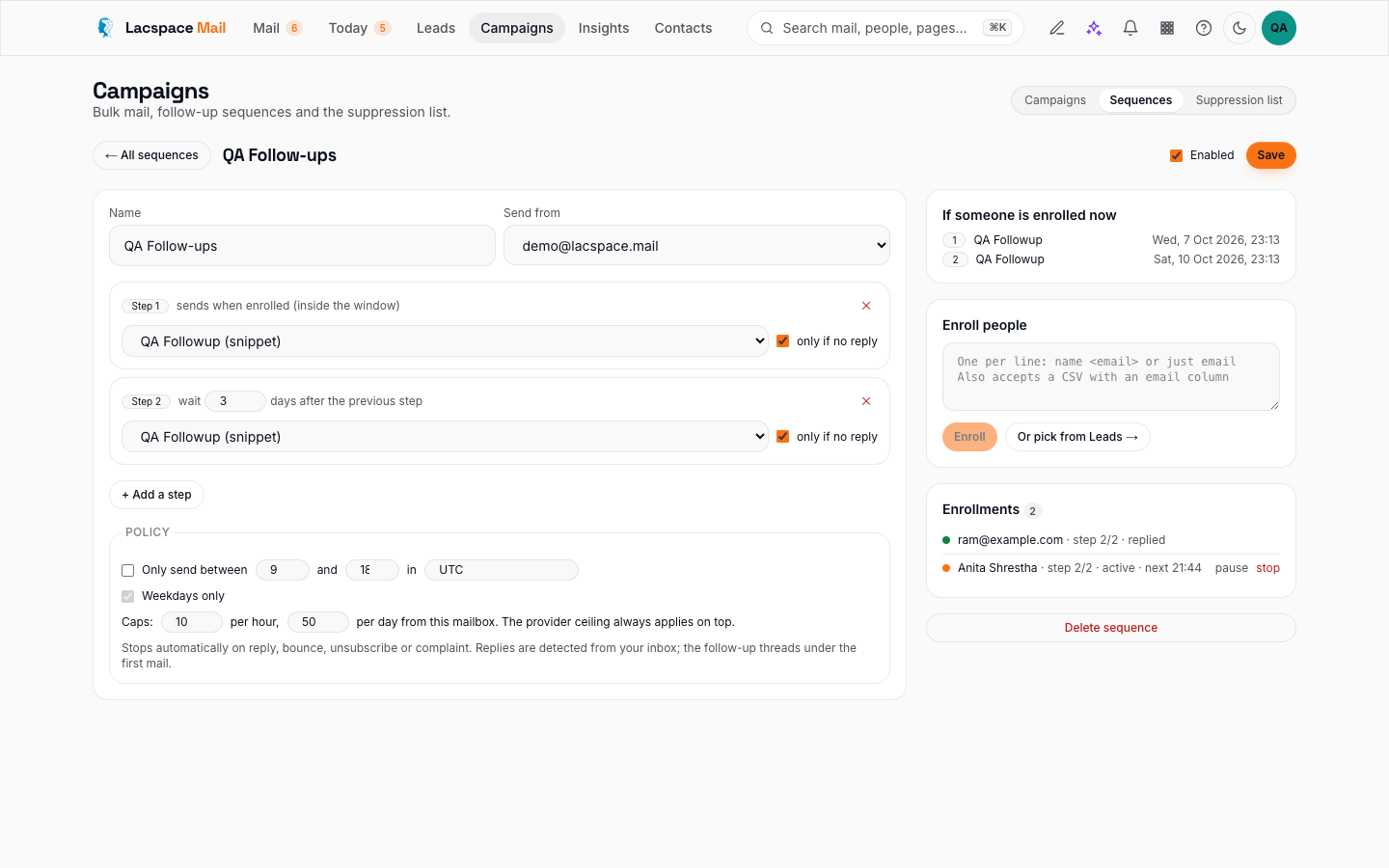
Lacspace combines manual testing for real user scenarios with automation for repetitive and regression tests.
Step 4: Multi-Device & Platform Testing
Products are tested across multiple devices, operating systems, browsers, and screen sizes.
Step 5: Security & Data Integrity Checks
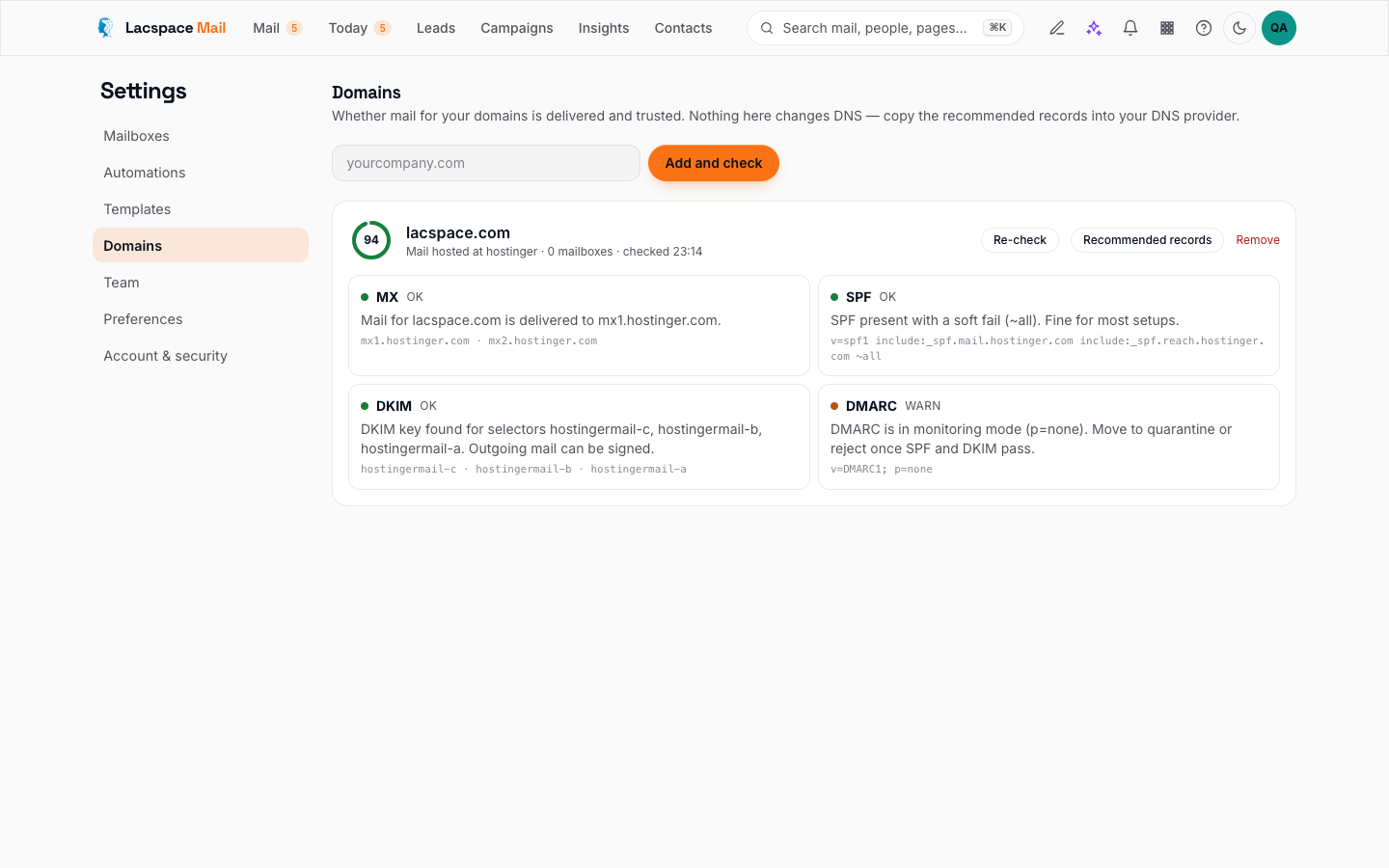
All platforms undergo strict security testing to protect user data and system integrity.
Step 6: Pre-Launch QA Sign-Off
No Lacspace product is released publicly without QA approval and internal sign-off.
QA as a Culture at Lacspace
QA at Lacspace is not limited to testers alone. Developers, designers, and product managers all participate in maintaining quality standards.
This culture ensures:
- Stable and scalable platforms
- Minimal post-launch issues
- High user satisfaction
- Long-term product reliability
Conclusion
Quality Assurance is the backbone of any successful digital platform. Without QA, products risk instability, security threats, and loss of user trust.
At Lacspace, QA is a promise — a commitment that every product we deliver is reliable, secure, and ready for real-world use.
— Written by Eallen Karna, Founder of Lacspace
Frequently asked questions
What is quality assurance in software?
Quality assurance is the systematic process of verifying that a software product meets defined quality standards before release. It identifies bugs, performance issues, security gaps and usability problems before users encounter them.
Why is QA important before a public launch?
QA prevents user-facing bugs, protects brand reputation, uncovers security vulnerabilities, validates performance under real-world conditions and reduces long-term costs, since fixing issues after launch is significantly more expensive than resolving them during QA.
What types of QA testing are used in modern platforms?
Functional, UI/UX, performance, security, compatibility and regression testing. Together they check that features work, flows are usable, speed holds up, vulnerabilities are found, devices and browsers are covered, and updates do not break existing features.
How does Lacspace perform QA?
Through requirement-based testing, dedicated QA environments that mirror production, manual and automated testing, multi-device and platform testing, security and data integrity checks, and a pre-launch QA sign-off. No product is released publicly without QA approval.