Imagine a customer wants to order their favorite food from your restaurant. They open their phone, search for your restaurant, check the menu, place the order, make the payment, and wait for delivery. From the customer's perspective, the process looks simple. But from the restaurant owner's perspective, there is a much bigger question behind that order: Who actually owns that customer relationship?
Today, many restaurants depend heavily on third-party food delivery and ordering platforms to receive online orders. These platforms can certainly help restaurants reach new customers and make food delivery more convenient. However, when a restaurant depends entirely on another platform, it can lose control over an important part of its business. The customer may know the platform better than they know the restaurant, and the restaurant may have limited control over how it communicates with that customer.
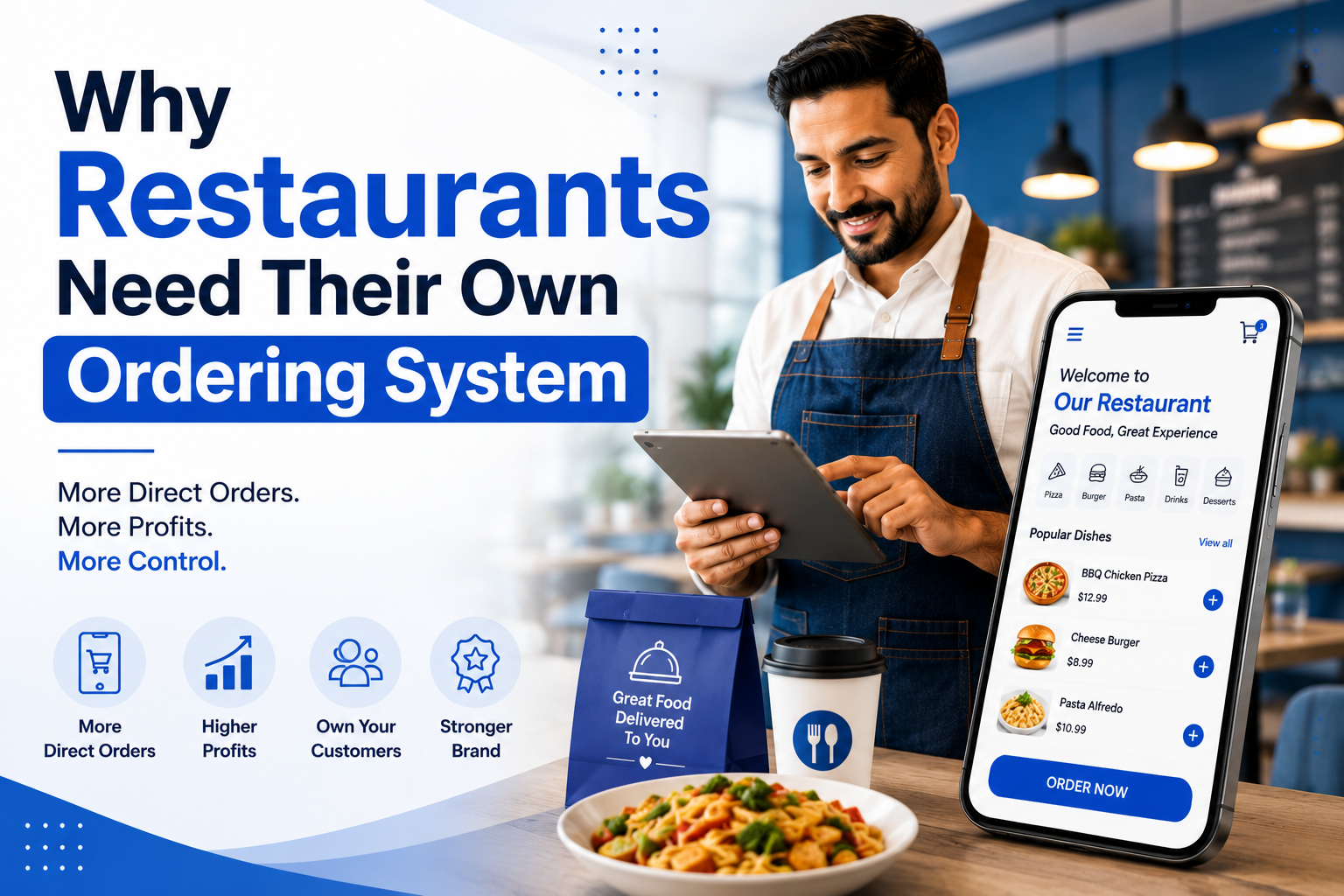
This is why having your own ordering system is becoming increasingly important for modern restaurants. A restaurant's own website or mobile app can give customers a direct way to view the menu, place orders, make payments, receive updates, and interact with the restaurant.
The goal isn't necessarily to stop using third-party platforms. Instead, restaurants should build their own digital channel so they aren't completely dependent on someone else's platform for online sales.
The Way Customers Order Food Has Changed
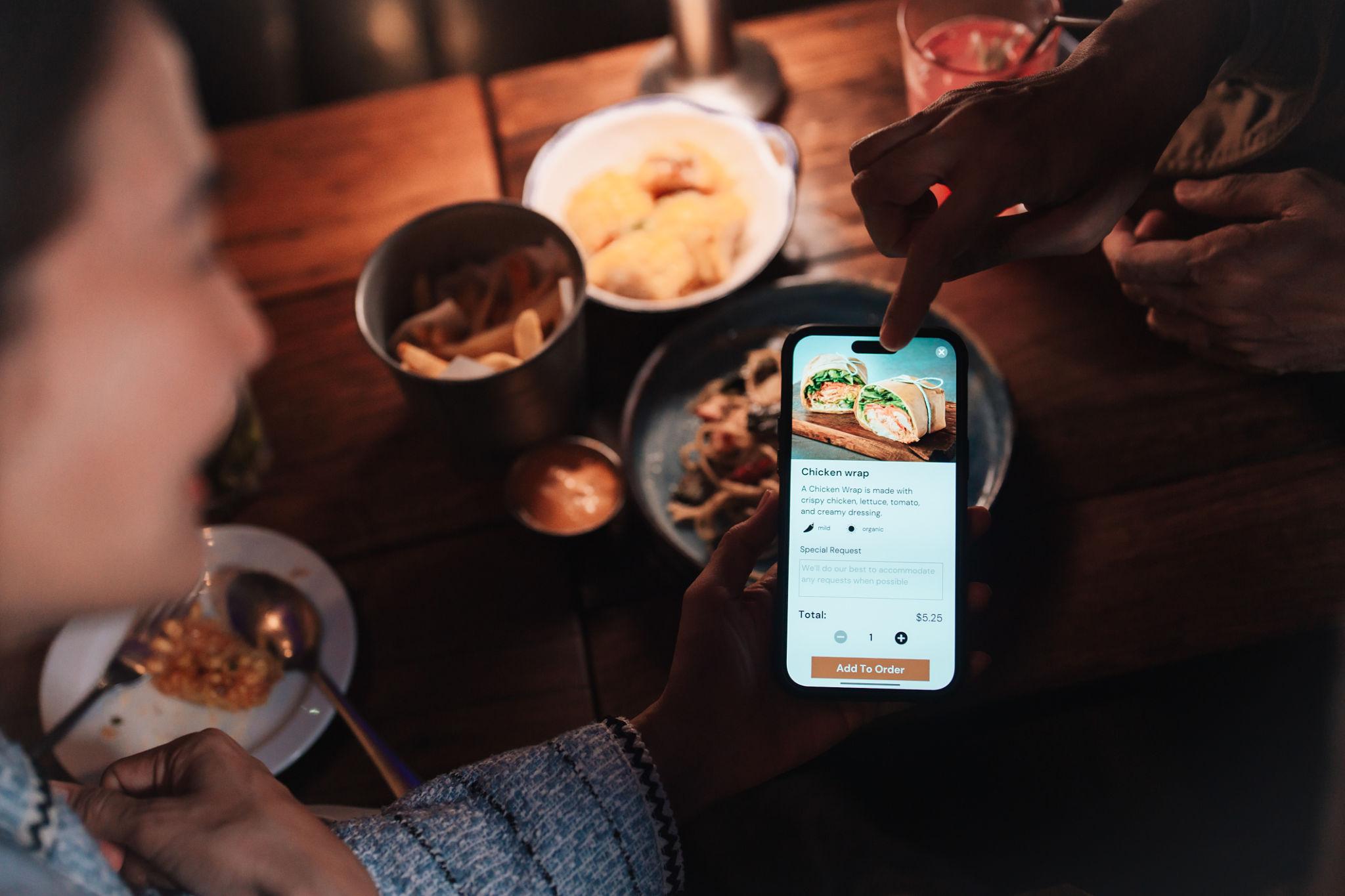
A few years ago, ordering food usually meant calling the restaurant, asking about the available menu, explaining the order, confirming the address, and waiting for the food. Today, customers expect something much faster. They are already comfortable booking hotels, purchasing products, paying bills, ordering groceries, and making appointments through their smartphones.
Food ordering is no different.
Customers want to see a menu instantly. They want to know what is available, check prices, customize their order, choose delivery or pickup, make payments digitally, and receive confirmation without having to make a phone call.
This change in customer behavior means restaurants also need to change the way they accept orders. A restaurant that still relies completely on phone calls or third-party platforms may eventually find itself falling behind restaurants that provide a faster and more convenient direct ordering experience.
The important thing is that customers aren't necessarily asking for complicated technology. They simply want ordering to be easy.
And when a restaurant makes ordering easy, customers have fewer reasons to choose someone else.
Your Restaurant Should Own Its Digital Storefront
Think about your physical restaurant. You control everything your customers experience there. You choose the interior design, menu, music, staff uniforms, service style, packaging, and overall atmosphere. Every part of the experience represents your brand.
Your online ordering experience should work the same way.
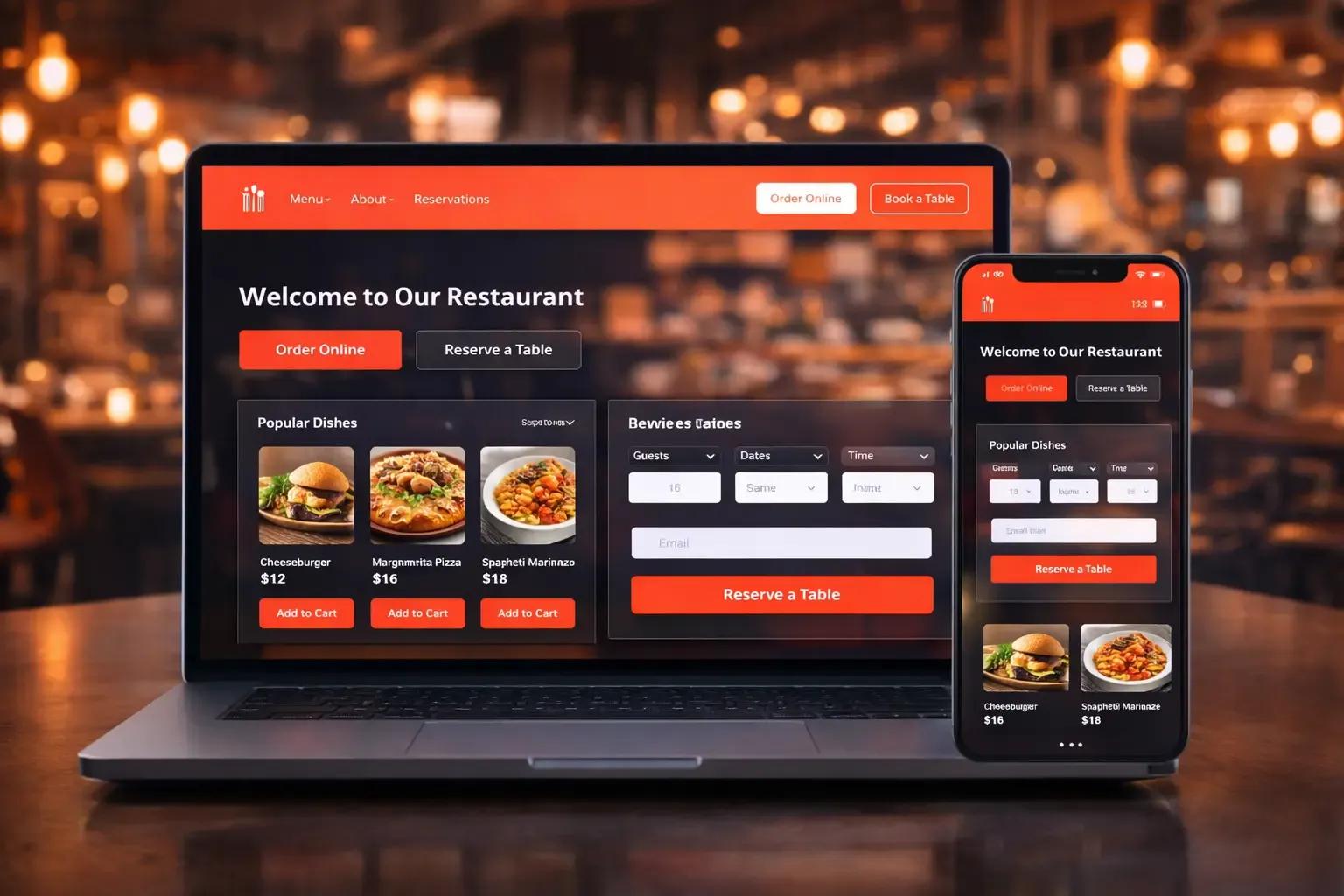
Your website or mobile application can become your restaurant's digital storefront. Customers can discover your menu, learn about your restaurant, view special offers, place orders, and connect directly with your brand.
Instead of being just another restaurant listed among hundreds of others, your restaurant gets its own digital space.
For example, imagine a customer searching for your restaurant on Google. They visit your website and immediately see your menu, your best-selling dishes, special offers, location, and ordering option. They don't need to search through multiple restaurants or navigate a complicated platform. They can simply order directly from you.
That small difference can make your restaurant feel more professional and established.
Your restaurant has its own physical identity. It should have its own digital identity too.
Third-Party Platforms Are Useful, But Don't Depend on Them Completely
Third-party food delivery platforms have created enormous opportunities for restaurants. They allow restaurants to reach customers who may never have discovered them otherwise. For a new restaurant especially, being visible on these platforms can be a valuable way to attract attention and generate initial orders.
The problem begins when a restaurant becomes completely dependent on them.
When every online order comes through an external platform, the restaurant has less control over the customer journey. Customers may see competing restaurants next to yours, receive recommendations for other businesses, and interact primarily with the platform rather than directly with your brand.
There can also be commission and platform-related costs associated with orders, depending on the service and agreement. For restaurants operating on tight margins, these costs can become significant as online order volume increases.
Imagine your restaurant receives hundreds of online orders every month from customers who already know your brand. If those customers could order directly through your own website or app, you would have another channel that gives you greater control over the ordering relationship.
This doesn't mean third-party platforms are bad.
It means restaurants should have more than one way to reach their customers.
Use external platforms for discovery, while building your own system for direct relationships.
Direct Ordering Can Help Restaurants Protect Their Margins
Running a restaurant is expensive. Ingredients, salaries, rent, utilities, packaging, equipment, maintenance, marketing, and delivery costs all affect the final profit. Even when sales increase, a restaurant can still struggle if too much of its revenue is consumed by operating and platform costs.
This is why direct ordering can be strategically important.
When customers order directly through your own system, you have greater control over the transaction and don't have to rely entirely on external ordering channels. Depending on your setup, this can help reduce your dependence on commission-based platforms for customers who already know and want to order from your restaurant.
Think about a regular customer who orders from your restaurant every Friday. They already know your food, they already trust your service, and they already intend to buy from you. If they continue ordering through an external platform every week, your restaurant may continue paying platform-related costs for that relationship.
But if that same customer can simply open your website or app and order directly, the relationship becomes much more direct.
The important point isn't just saving money on one order. It is building a system where more customers can order directly from your business over time.
Your Customer Relationship Is More Valuable Than One Order
A restaurant shouldn't think about customers only in terms of individual orders.
A customer who orders once is valuable. A customer who orders every week for two years is much more valuable.
This is why building a direct relationship matters.
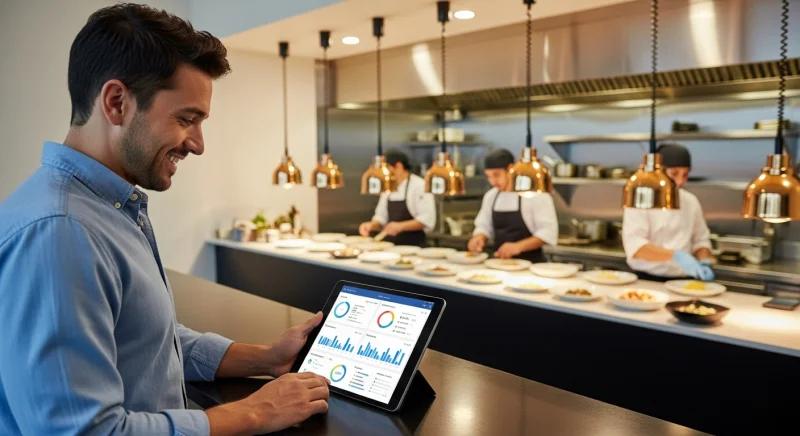
When customers interact with your own ordering system, you can build a stronger understanding of their relationship with your business, subject to the information they provide and applicable privacy requirements. Their order history, favorite dishes, frequency of visits, and preferences can help you understand what your customers actually want.
Imagine noticing that one group of customers regularly orders lunch during weekdays. Another group mostly orders family meals on weekends. Some customers frequently purchase desserts, while others repeatedly order the same combination.
These insights can help restaurants make better decisions about menus, promotions, loyalty programs, and customer communication.
Instead of treating every customer exactly the same, restaurants can create experiences that are more relevant to their audience.
That is difficult to achieve when the restaurant has very limited visibility into its own customer relationships.
Make It Easier for Customers to Order Again
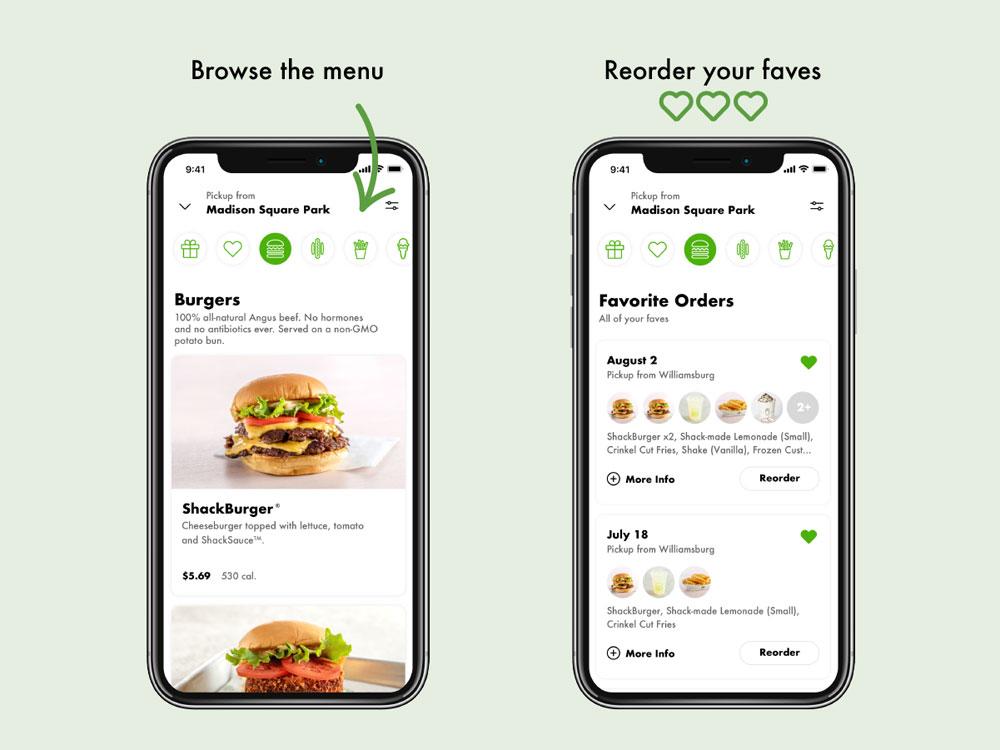
One of the biggest advantages of having your own ordering system is the ability to make repeat ordering easier.
Think about a customer who has already ordered their favorite meal five times. They don't want to go through a complicated process every time. They want convenience.
A well-designed ordering system can make the experience simple by allowing customers to quickly browse menus, find previous choices, select their preferred items, and complete their order.
This creates a smoother experience for the customer while reducing the amount of manual work required from restaurant employees.
Over time, convenience becomes a competitive advantage.
If ordering from your restaurant is easy, customers are more likely to return. If ordering requires multiple phone calls, waiting for responses, or navigating an inconvenient process, customers may choose a competitor simply because their ordering experience is easier.
Sometimes, winning customers isn't about having the cheapest food.
It's about making the entire experience better.
Your Own Ordering System Strengthens Your Brand
Your restaurant's brand doesn't stop at your logo or signboard. Every interaction customers have with your business contributes to how they perceive you.
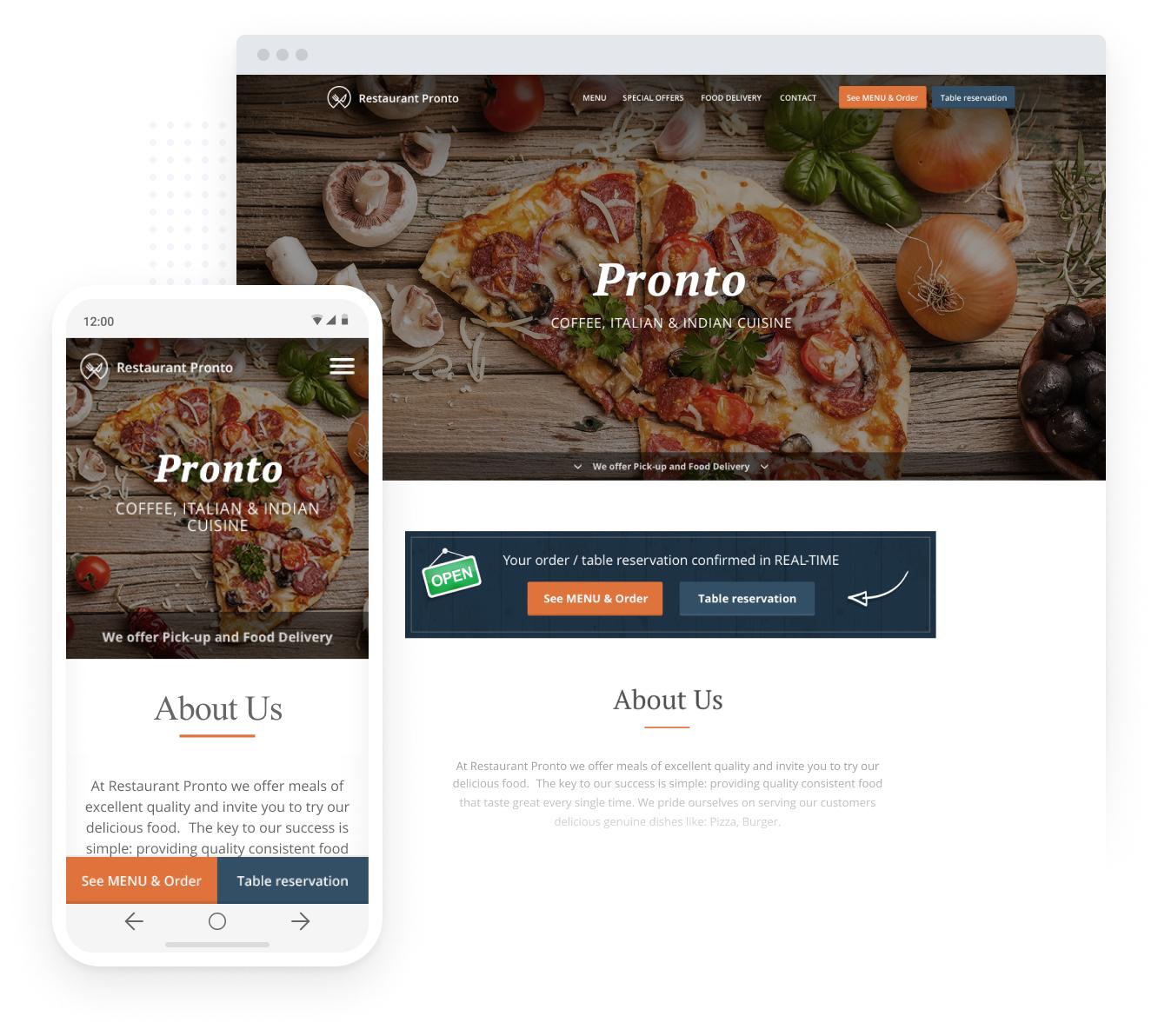
If your restaurant has a professional website and branded ordering experience, customers can interact directly with your identity instead of seeing you only as one listing among many.
Your own digital ordering system can showcase your food photography, menu, story, offers, reviews, location, and other elements in a way that represents your business.
This is especially important for restaurants that want to build a recognizable brand rather than compete only on price.
Imagine two restaurants offering similar food at similar prices. One has a simple but professional website where customers can easily explore the menu and order directly. The other relies entirely on external platforms.
The first restaurant immediately feels more established digitally.
Technology isn't replacing the restaurant's brand.
It's giving the brand another place to exist.
Better Systems Can Reduce Manual Work
An ordering system doesn't only benefit customers. It can also make everyday restaurant operations much easier for employees.
When orders arrive through phone calls, employees have to listen carefully, write everything down, confirm details, communicate the order to the kitchen, calculate bills, and sometimes call customers back when something is unclear.
A digital ordering system can streamline much of this process.
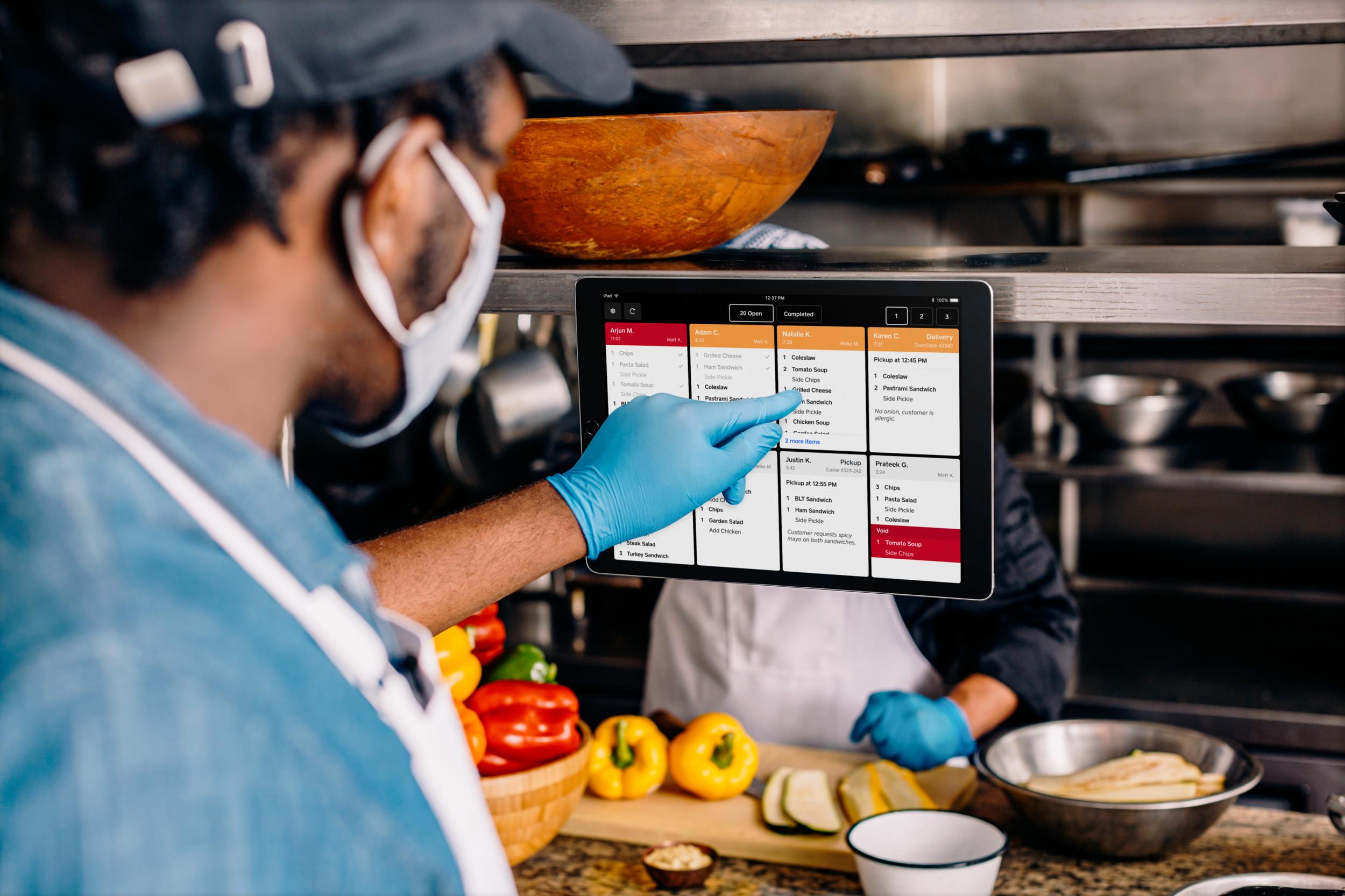
Customers enter their own order details, the restaurant receives the information digitally, staff can view the order through a centralized dashboard, and the kitchen can begin preparing it without unnecessary communication.
This can reduce mistakes and save employees valuable time.
Instead of spending their day repeatedly taking orders and entering information manually, staff can focus more on preparing food, serving customers, maintaining quality, and improving the overall restaurant experience.
The purpose of technology isn't to make employees work harder.
It's to help them work smarter.
Your Own Ordering System Can Support Customer Loyalty
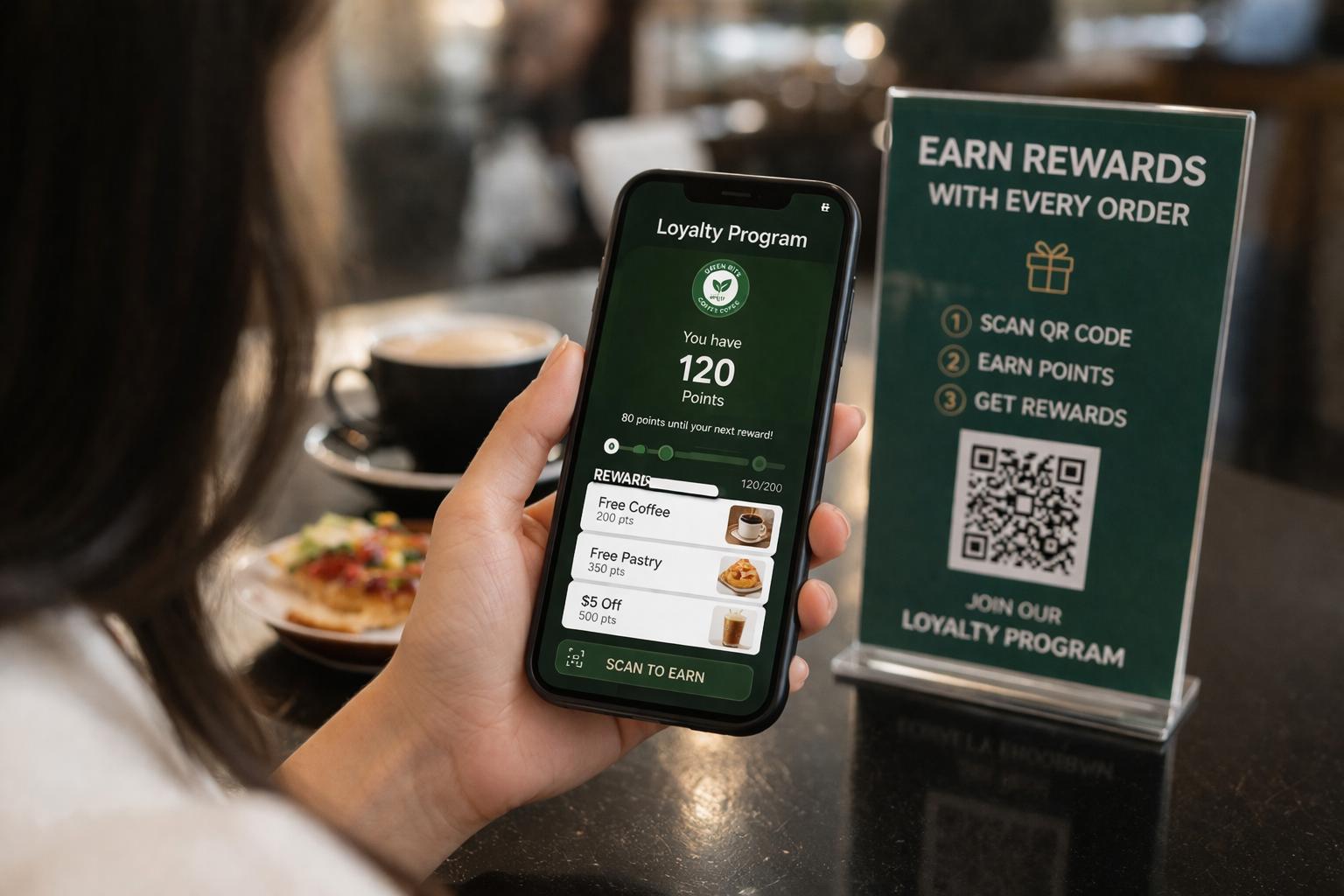
Getting a new customer is important, but encouraging an existing customer to return can be even more valuable for long-term growth.
A restaurant-owned digital system can support loyalty programs, promotional campaigns, special offers, and other customer engagement strategies. A restaurant might reward frequent customers, introduce special deals, celebrate customer milestones, or encourage customers to try new menu items.
For example, a customer who orders regularly could receive a loyalty reward after reaching a certain number of orders. Someone who hasn't ordered in a while could receive a reminder about a new menu item or special promotion.
These strategies can turn occasional customers into regular customers.
The important thing is that loyalty doesn't happen automatically.
Restaurants need to give customers reasons to remember them, return to them, and choose them again.
A direct digital relationship gives restaurants more opportunities to do exactly that.
Restaurants Need Their Own Digital Ecosystem
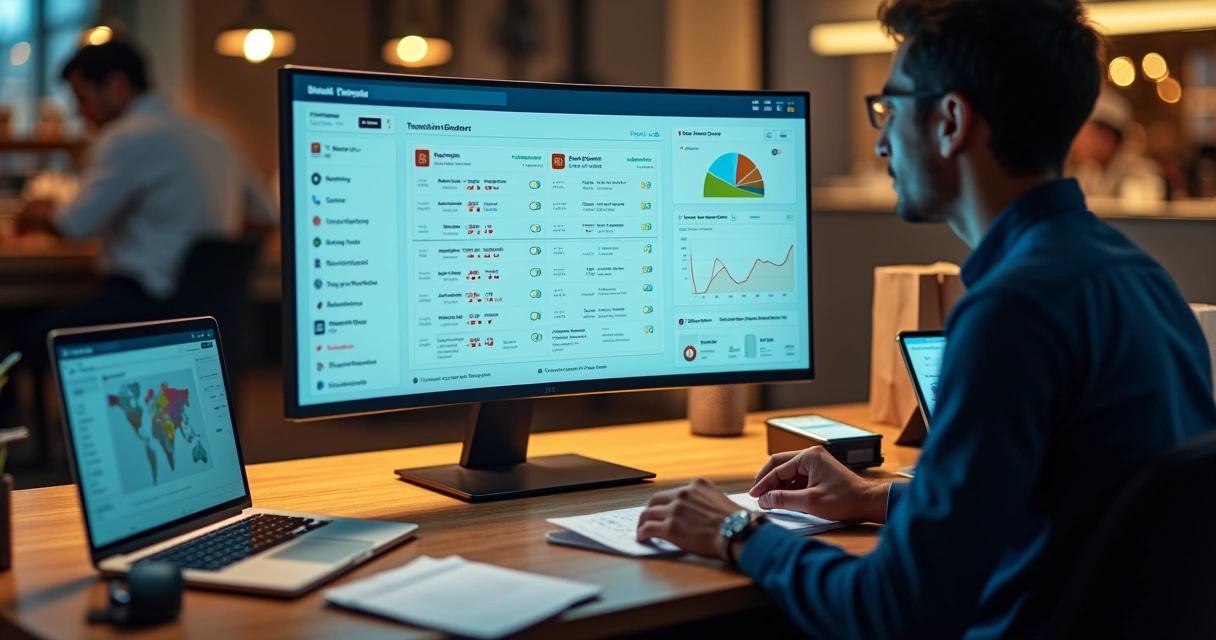
The future of restaurant technology isn't about choosing between a website, an app, social media, or delivery platforms. Successful restaurants can use different digital channels for different purposes.
Social media can help attract attention. Search engines can help new customers discover the restaurant. Third-party platforms can provide additional visibility. A website can establish the restaurant's digital presence. A mobile application can create another direct channel for loyal customers.
The key is making sure these channels work together rather than allowing one external platform to become the entire digital business.
A restaurant should have the ability to attract new customers while also developing direct relationships with existing ones.
That's the difference between simply being available online and actually building a digital business.
How Lacspace Helps Restaurants Go Digital
At Lacspace, we help businesses use technology to solve real operational challenges. For restaurants, that can mean building a professional website, online ordering system, mobile application, digital menu, management dashboard, customer management tools, payment integrations, and other solutions based on the restaurant's requirements.
The goal isn't simply to give a restaurant another piece of software. The goal is to create a digital system that makes ordering easier for customers and managing the business easier for restaurant owners and employees.
A restaurant shouldn't have to depend completely on another company's platform to build its online presence.
Your restaurant has its own name, its own food, its own customers, and its own brand.
Your digital ordering experience should be yours too.
Frequently Asked Questions
Do restaurants really need their own ordering system?
A restaurant can operate without one, but having its own ordering system provides greater control over its digital presence, customer experience, direct orders, and customer relationships.
Should restaurants stop using third-party food delivery platforms?
Not necessarily. Third-party platforms can help restaurants reach new customers. The better strategy can be to use them alongside your own ordering system rather than depending entirely on them.
Can an ordering system help increase restaurant sales?
Yes. Easier ordering, repeat ordering, automated communication, loyalty programs, and a better customer experience can all contribute to increased orders and stronger customer retention.
Can small restaurants have their own ordering system?
Absolutely. A restaurant doesn't need to be a large chain to have its own website, ordering system, or mobile application. The system can be designed according to the restaurant's size and requirements.
Is having a restaurant website enough?
A website is an important starting point, but adding direct online ordering can make it much more useful. Instead of only providing information, your website can become an actual digital sales channel.
Conclusion
The restaurant industry is changing quickly. Customers are becoming more comfortable ordering through their phones, businesses are adopting automation, and digital experiences are becoming an important part of how customers choose where to eat.
Third-party ordering platforms can be useful tools for reaching new customers, but restaurants shouldn't build their entire digital business around platforms they don't control.
Having your own ordering system gives your restaurant another path. It allows customers to order directly, creates a stronger connection with your brand, reduces dependence on external platforms, simplifies operations, and creates opportunities to build long-term customer loyalty.
The goal isn't simply to get more orders.
The goal is to build a restaurant where customers can discover you, order from you, return to you, and build a relationship with your brand directly.
Because your restaurant isn't just another listing on a delivery platform.
It's your business. Your brand. Your customers. Your digital future.
Frequently asked questions
Why should a restaurant have its own ordering system?
A restaurant that depends entirely on third-party platforms can lose control over the customer relationship and how it communicates with customers. Its own website or app gives customers a direct way to view the menu, order, pay and get updates.
Should restaurants stop using third-party delivery platforms?
Not necessarily. Third-party platforms can help restaurants reach new customers. The goal is to build your own digital channel so you are not completely dependent on someone else's platform for online sales.
What do customers expect when ordering food online?
Customers want to see a menu instantly, check availability and prices, customize their order, choose delivery or pickup, pay digitally and receive confirmation without having to make a phone call.
What is a restaurant's digital storefront?
Your website or mobile app can become your restaurant's digital storefront, where customers discover your menu, view special offers, place orders and connect directly with your brand instead of seeing you among hundreds of listings.